Jak nazywa się trudna windykacja po angielsku: przegląd terminów i kontekstów
Debt collection, windykacja, windykacja należności - to pojęcia, które często pojawiają się w polskim kontekście biznesowym i prawnym. W niniejszym artykule zestawiamy najważniejsze angielskie odpowiedniki oraz ich niuanse, aby ułatwić rozumienie procesów windykacyjnych w międzynarodowych relacjach kredytowych, prawnych i finansowych.
Podstawowe definicje i pojęcia w języku angielskim
Debt collection or cash collection is the process of pursuing payments of money or other agreed-upon value owed to a creditor. The debtors may be individuals or businesses. An organization that specializes in debt collection is known as a collection agency or debt collector. Most collection agencies operate as agents of creditors. They collect debts for a fee or percentage of the total amount owed.
Rodzaje podmiotów w windykacji
- First-party agencies - agencje będące częścią pierwotnego wierzyciela, często będące jego oddziałem.
- Third-party agencies - niezależne firmy contracted by a company to collect debts on their behalf for a fee.
- Debt buyers - kupują dług za część wartości i samodzielnie próbują go dochodzić.
- A Master Servicer - podmiot zarządzający portfelami wielu agencji windykacyjnych.
Kluczowe pojęcia związane z prawem i praktyką windykacyjną
A collection agency is a third-party agency, called such because such agencies were not a party to the original contract. The creditor assigns accounts directly to such an agency on a contingency-fee basis, which usually initially costs nothing to the creditor or merchant, except for the cost of communications. This however is dependent on the individual service level agreement (SLA) that exists between the creditor and the collection agency. The agency takes a percentage of debts successfully collected; sometimes known in the industry as the "Pot Fee" or potential fee upon successful collection. This does not necessarily have to be upon collection of the full balance; very often this fee must be paid by the creditor if they cancel collection efforts before the debt is collected.
Debt collection may involve the sale of a debt to a third party company, sometimes referred to as a "factor" or "debt buyer". The debt buyer purchases accounts and debts from creditors for a percentage of the value of the debt and may subsequently pursue the debtor for the full balance due, including any interest that accrues under the terms of the original loan or credit agreement.
Regulacje i zasady etyczne
In the United States, debt collection and debt collectors are subject to both state and federal regulation. The Fair Debt Collection Practices Act (FDCPA) is the primary federal law governing debt collection practices. The FDCPA allows aggrieved consumers to file private lawsuits against a collection agency that violates the Act. Limits are placed on the time of day that debt collection calls can be made, to whom, and where. Collectors must state their name and must give the name of their employer if the person specifically asks.
In the United Kingdom, debt collection agencies are licensed and regulated by the Financial Conduct Authority (FCA). The FCA sets guidelines on how debt collection agencies can operate and lists examples of unfair practices. While guidelines are not law, they represent a summary and interpretation of legal areas. Examples of unfair practices include misrepresenting enforcement powers, harassment, misrepresenting the legal position, and false claims about court judgments.
Historie i kontekst społeczny windykacji
Debt collection has existed as long as there has been debt and is older than money itself, as it existed in earlier barter systems. The practice goes back to ancient civilizations, starting in Sumer in 3000 BC. W średniowieczu pojawiały się pierwsze prawa regulujące dłużników, a pojęcie windykacji ewoluowało wraz z rozwojem systemów prawnych i bankowych.
Windykacja a raporty kredytowe i ograniczenia czasowe
A credit record is a record of the credit history of a person or business entity, potentially including payment history, default and bankruptcy. Information about debts, late payments and default may be placed by a borrower's credit record, and usually remain for several years. W wielu jurysdykcjach istnieją limity przedawnienia roszczeń - po upływie określonego okresu (np. dwóch lub sześciu lat) organ windykacyjny nie ma już prawnej możliwości odzyskania długu, chyba że istnieją okoliczności przedłużające ten okres.
Windykacja a praktyka biznesowa i obsługa portfeli należności
Within continuous legal services and individual consulting, the specialisation includes: civil law, family law, commercial law, mergers and transformations, administrative law, customs law, tax law, building law, real property trading and management, representation in court, debt collection. The Personal Finance BL specialises in financing customers, being responsible for product development likewise for the management (granting and recovery) of cash loans, car loans and credit cards for individual customers.
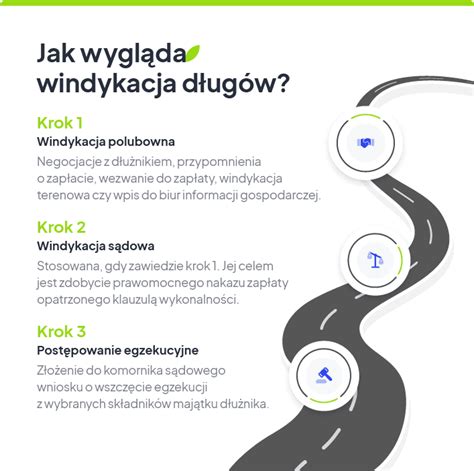
Windykacja terenowa is an effective tool for high-value and high-priority cases, for example when there is suspicion that the debtor is hiding or disposing of their property. A successful windykacja przeważnie zobowiązuje zleceniodawcę do uiszczenia ustalonej prowizji w określonym terminie.
Praktyczne wskazówki dla polskich firm współpracujących z windykacją międzynarodową
- Śledź pamięć o terminach płatności i ustaw odpowiednie przypomnienia - w wielu systemach windykacyjnych kluczowe jest wczesne działanie.
- Rozważ różne modele umów z agencjami windykacyjnymi: pierwsza strona (first-party) vs. agencje zewnętrzne (third-party).
- W przypadku spornych należności, dokumentuj wszystkie działania i komunikację - to ułatwia późniejszą weryfikację i ewentualne odwołania.
- Zapewnij zgodność z lokalnymi przepisami prawa (FDCPA, FCA, lokalne ustawy o ochronie danych i prywatności) w kontaktach z dłużnikiem.
Przykłady praktycznych kontekstów językowych
Debtor may dispute that the debt is payable. The creditor may assign accounts directly to a collection agency on a contingency-fee basis. In the United States, the FDCPA allows aggrieved consumers to file private lawsuits against a collection agency that violates the Act. In the UK, debt collection agencies are licensed and regulated by the Financial Conduct Authority (FCA).
Although vs Despite | ROCK YOUR ENGLISH #108
Tabela porównawcza: kluczowe terminy i ich angielskie odpowiedniki
| Polski termin | Angielski odpowiednik | Uwagi |
|---|---|---|
| windykacja należności | debt collection | ogólne pojęcie procesowe |
| agencja windykacyjna | collection agency | rynkowa nazwa podmiotu |
| wierzyciel | creditor | podmiot dochodzący roszczeń |
| Dłużnik | debtor | osoba lub podmiot zobowiązany |
| pierwsza strona | first-party | agency będąca częścią wierzyciela |
| strona trzecia | third-party | nie będąca stroną umowy pierwotnej |
W obszarze finansowania klientów windykacja i obsługa portfeli należności odgrywają kluczową rolę w zarządzaniu ryzykiem kredytowym oraz w utrzymaniu płynności przedsiębiorstw. Współpraca z kancelarią prawną i specjalistami od windykacji może wspierać skuteczne odzyskiwanie należności na różnych etapach procesu, zarówno na drodze przedsądowej, jak i sądowej.
tags: #windykacja #trudna #po #angielsku